Home Improvements That Add Value (and the Ones That Don't)
Not every renovation pays you back. Here are the home improvements that add value, the upgrades that improve your EPC rating, and the money pits to skip.
Spend wisely and the right home improvements add value far beyond what they cost; spend badly and you can pour thousands into work a buyer simply does not care about. The trick is knowing which upgrades genuinely move a property's worth, which improve how it lives day to day, and which are money pits that never pay you back. This guide separates the three — and explains why improving your EPC rating has quietly become one of the smartest investments you can make.
Improvements that reliably add value
The best-returning projects tend to be the ones that add usable space or transform the rooms buyers care about most. They are substantial, but they answer real buyer demand rather than personal taste.
- Converting a loft into a bedroom or office, adding genuine floor area
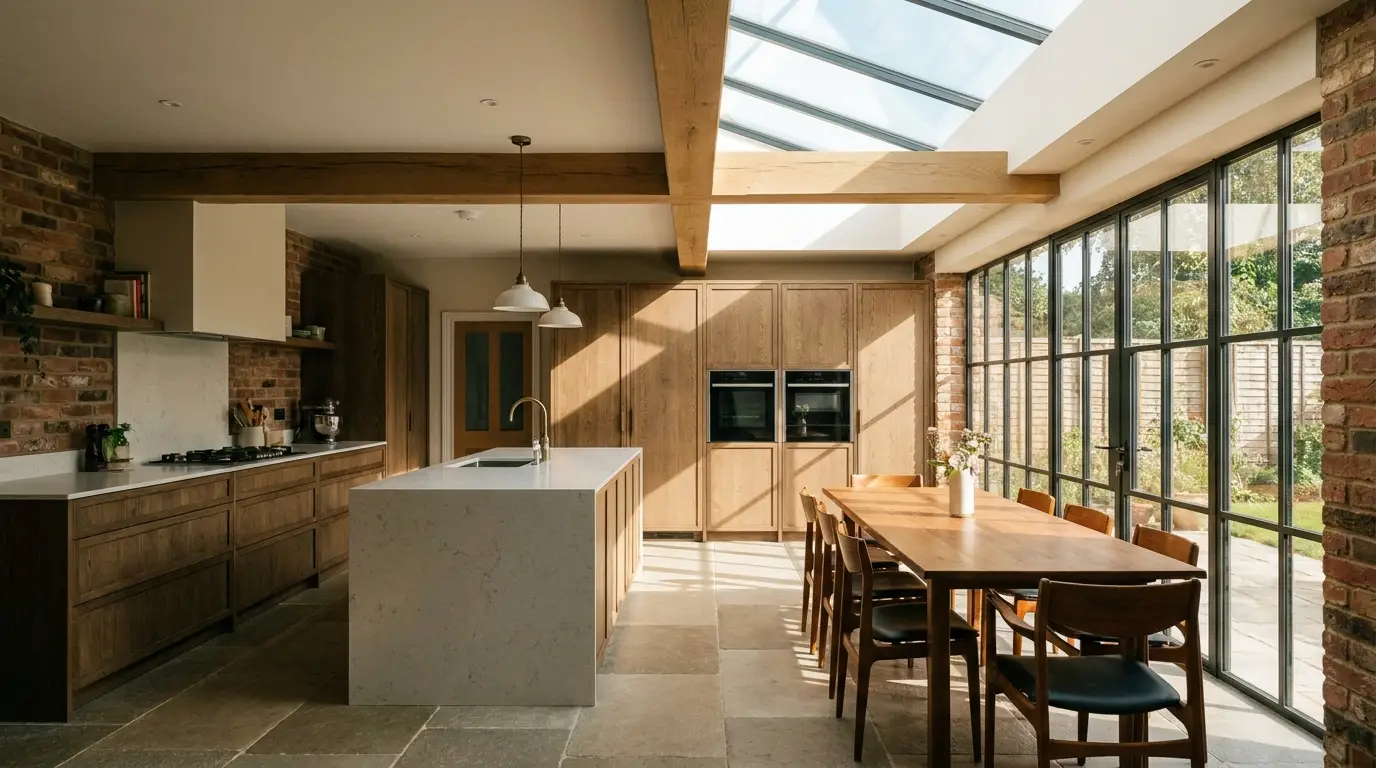
- A well-designed kitchen — the room that sells homes more than any other
- Adding or modernising a bathroom, especially a second one
- Knocking through to create bright, open-plan living space
- Converting a garage or adding a sensible extension where the layout allows
“The improvements that add the most value usually add space or fix the rooms buyers judge a home by — the kitchen and bathrooms. Cosmetic flourishes rarely shift the asking price on their own.”
Why your EPC rating now matters
Energy efficiency has moved from a footnote to a genuine selling point. With energy costs front of mind, buyers increasingly factor running costs into what they will pay, and a poor Energy Performance Certificate (EPC) rating can put people off entirely. Improving your EPC rating makes a home cheaper to run, more comfortable, and more attractive on the listing.
Cost-effective ways to improve your EPC rating
- Upgrade loft and cavity wall insulation — often the cheapest win per point gained
- Switch to LED lighting throughout
- Install a modern, efficient boiler or consider a heat pump
- Add or improve draught-proofing around doors and windows
- Fit a smart thermostat and better heating controls
- Consider double or secondary glazing where it is missing
Many of these are modest jobs with an outsized effect, both on your bills while you live there and on your EPC band when you come to sell. A better rating is increasingly something buyers actively search for.
See how much a more efficient home could save you by estimating your energy bills before and after upgrades.
Estimate my energy billsThe quiet wins that punch above their weight
Not every value-adding job is a major project. Some of the best returns come from inexpensive work that lifts a buyer's first impression and removes excuses to negotiate down.
- A fresh, neutral repaint throughout
- New flooring or a professional carpet clean
- Improving kerb appeal — a tidy front garden, clean path and smart front door
- Modernising tired fixtures, handles, sockets and light fittings
- Fixing the long list of small defects that make a home feel neglected
Money pits to think twice about
Some upgrades are wonderful to live with but rarely return their cost when you sell — and a few can actively put buyers off. Spend on these for your own enjoyment, not as an investment.
- A swimming pool, which many buyers see as a maintenance burden
- Highly personalised or bold design choices that narrow your buyer pool
- Over-improving beyond the ceiling price for your street
- Removing bedrooms to enlarge another room, which can lower the headline value
- Lavish landscaping that buyers will not pay a premium to maintain
“Beware over-improving. Spend more than the top price your street can support and the market simply will not pay it back, however lovely the work.”
The bottom line
Focus your budget on space, the kitchen and bathrooms, and a stronger EPC rating, and back it up with the cheap cosmetic wins that lift first impressions. Steer clear of over-personal, over-ambitious spending that the local market will never reward. Improve with the next buyer in mind, and your home improvements will add value rather than quietly eroding it.
Rachel writes about home improvements, energy performance, and the design decisions that add value and make a property easier to sell.