Property Chains Explained: How They Work and How to Avoid Delays
A property chain links your purchase to a string of other buyers and sellers, and it is the most common reason a move collapses. Here is how chains form, why they cause delays, and how first-time buyers can sidestep them.
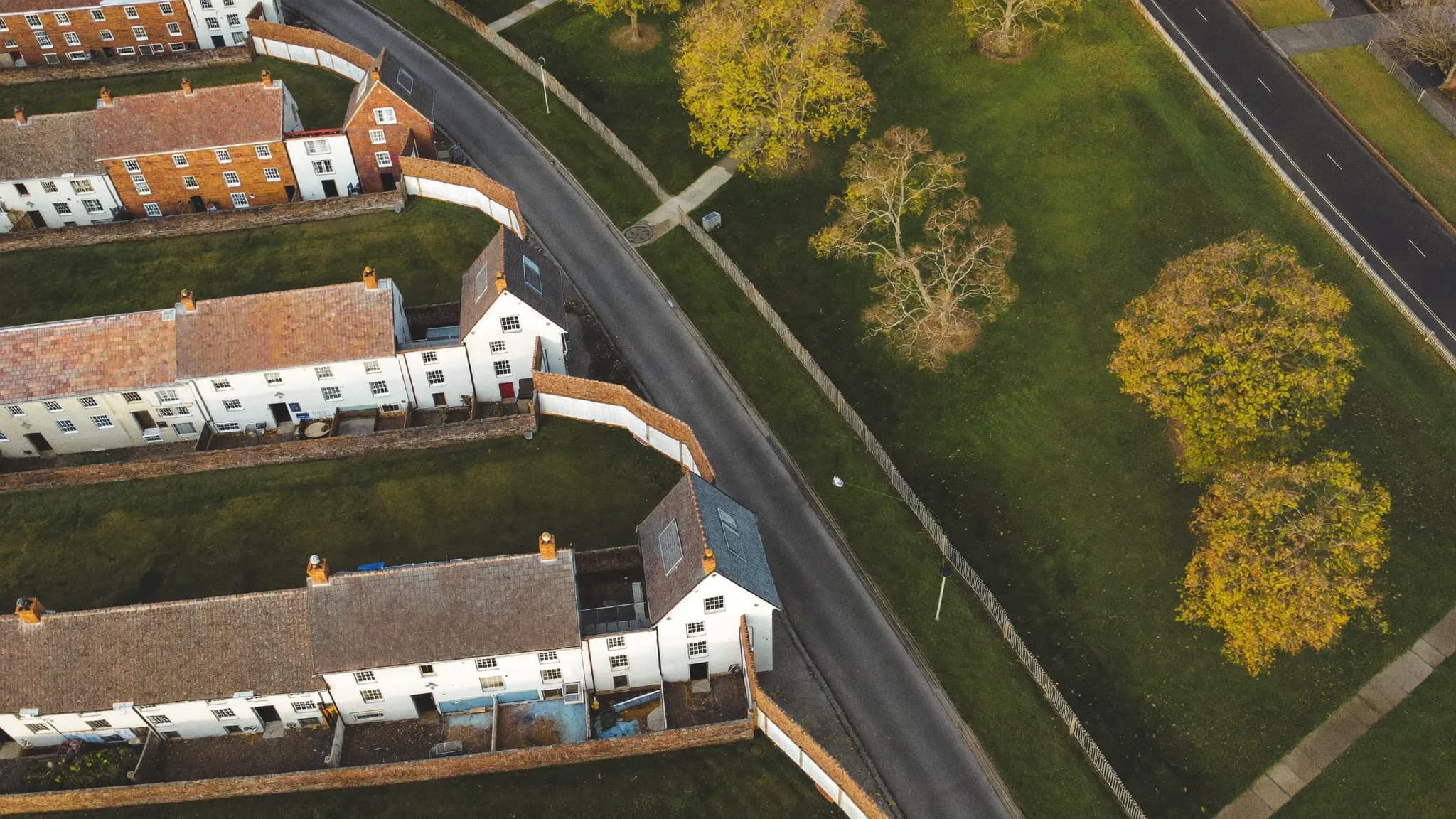
A property chain is a sequence of linked buyers and sellers, where each purchase depends on the sale or purchase of the next home in the line. If you are buying from someone who is also buying, and they are buying from someone else who is buying, you are all in one chain — and everyone has to be ready to exchange and complete at the same time. In short: chains are the single most common reason a house sale falls through, they slow everything to the pace of the slowest link, and being chain-free is one of the biggest advantages a first-time buyer has. This guide explains how they work and how to protect your move.
What is a property chain?
A property chain is the connected series of transactions that must complete together for any one of them to go through. Imagine you buy a flat from a couple who are using the proceeds to buy a family house; the sellers of that house are moving into a bungalow; and the bungalow owner is downsizing to a retirement flat. That is a five-link chain, and every purchase in it is dependent on the one above it. Money and keys move up and down the chain on completion day like dominoes — but only if every link is ready at the same moment.
The bottom of the chain is the person buying without needing to sell — often a first-time buyer, an investor, or someone buying a new build. The top of the chain is the seller who is not buying anything onward, perhaps because they are moving into rented accommodation, emigrating, or selling a probate property. The longer the chain, the more people whose finances, solicitors and surveys all have to align.
How does a property chain form?
Chains form naturally because most people buying a home are also selling one. A seller usually cannot complete their purchase until they receive the money from their own sale, so their onward move is tied to yours, and theirs to the next person's. Each of those dependencies is a link. The chain grows every time a buyer in it also needs to sell, and it only ends when you reach someone at the top who has nothing to buy and someone at the bottom who has nothing to sell.
You often will not know the full length of the chain when you first make an offer. The estate agent handling your purchase can usually tell you how many links sit above the property, but sellers further up may still be searching for their own onward home, so the chain can lengthen after you have committed. This is why experienced buyers treat the question of chain length as a live one throughout the transaction, not a fact settled on day one, and keep checking in with the agent as the picture firms up.
Why do property chains cause delays and collapse?
A chain moves at the speed of its slowest member. If one buyer's mortgage is delayed, one solicitor is slow returning enquiries, or one survey throws up a problem, everyone waits. Because contracts in England, Wales and Northern Ireland only become binding at exchange, any link can withdraw at any time before then — and if one person pulls out, the chain breaks and every transaction below the break can collapse with it. The more links there are, the higher the odds that at least one will fail.
- A buyer several links away has their mortgage application declined
- Someone in the chain is gazumped or decides to gazunder, unsettling the whole line
- A survey reveals a defect and triggers a renegotiation that stalls everyone
- A slow conveyancer holds up searches and enquiries for weeks
- A buyer at the bottom gets cold feet and simply walks away
The benefits of a chain-free property
Chain-free means there is no onward purchase holding up the sale — the seller can complete as soon as you are ready. Chain-free purchases are faster, less stressful, and far less likely to fall through, because there are fewer moving parts that can break. As a first-time buyer you are almost always chain-free yourself, which makes you an attractive buyer; combining that with a chain-free seller gives you the smoothest possible transaction. Typical chain-free properties include new builds, empty homes, probate sales, and homes sold by landlords or investors.
“As a first-time buyer you have a genuine superpower: you have nothing to sell. Play it up. A seller choosing between two similar offers will usually favour the chain-free buyer every time.”
Filter your search to chain-free and new-build homes and give your move the best possible odds.
Search propertiesHow first-time buyers can avoid or shorten a chain
You will not always be able to buy chain-free, but you can tilt the odds. Being the person at the bottom of the chain with your finances in order already makes you low-risk. Beyond that, targeting the right kind of property and asking the right questions before you offer will tell you exactly how long and how fragile the chain above you is.
- Target chain-free sellers — new builds, empty homes, probate sales and investor sales have no onward purchase
- Ask the estate agent how long the chain is before you offer, so you know what you are joining
- Get your mortgage Agreement in Principle and deposit ready so you never become the slow link
- Instruct a responsive conveyancer and return every document the day it arrives
- Prefer a shorter chain over a longer one when two properties are otherwise similar
What to do if the chain breaks
If a link above or below you falls through, the chain does not always die completely. Sometimes the person who dropped out can be replaced — a new buyer found for their property, or a bridging loan used to keep an onward purchase alive — and the chain re-forms. Speak to your estate agent and conveyancer immediately to understand where the break is and whether it can be repaired. If it cannot, and you were relying on that purchase, you may need to start again, but as a chain-free first-time buyer you are usually the least exposed person in the whole line.
Keep communicating throughout. Chains fail more often through silence and slow responses than through genuine problems. Staying in regular contact with your agent and solicitor, and chasing the links either side of you, is the practical difference between a chain that limps to completion and one that collapses.
How to survive a chain once you are in one
Even a smooth chain demands patience and organisation, because you are dependent on strangers you will never meet. The most useful mindset is to control the things you can and stop worrying about the things you cannot. You cannot make a buyer three links away return their mortgage paperwork on time, but you can make sure your own link is never the one holding everyone up. That means getting your finances agreed, your conveyancer instructed, and your identity and funds checks completed as early as possible, so that when the chain is ready to move, you are ready too.
It also helps to understand that a completion date cannot be fixed until everyone in the chain has exchanged. Estate agents often coordinate the chain, chasing each solicitor and trying to synchronise the exchange so that money and keys can pass on the same day. Building a good relationship with your agent and being consistently quick to respond makes you the buyer they push hardest for. In a chain, being easy to deal with is a genuine competitive advantage.
Frequently asked questions
What is a property chain in simple terms?
A property chain is a line of linked buyers and sellers where each purchase depends on the next. Everyone has to exchange and complete at the same time, so if one link fails, the transactions below it can collapse. Longer chains carry more risk of delay and breakdown.
What does chain-free mean?
Chain-free means the seller has no onward purchase holding up the sale, so they can complete as soon as you are ready. New builds, empty homes, probate sales and investor sales are usually chain-free, making them faster and less likely to fall through.
Are first-time buyers chain-free?
Yes. Because you have no property to sell, you sit at the bottom of the chain with nothing beneath you. That makes you a low-risk, attractive buyer, and pairing your chain-free status with a chain-free seller gives the smoothest possible purchase.
How long do property chains take?
A short or chain-free purchase can complete in two to three months, but a long chain can take much longer because it moves at the pace of its slowest member. Every extra link adds time and the risk that one delay stalls everyone.
What happens if a property chain breaks?
If a link drops out, the chain can sometimes be repaired by finding a replacement buyer or using a bridging loan. Contact your agent and conveyancer at once to see if it can be fixed. If not, you may have to start again, though chain-free buyers are least affected.
This guide is for informational purposes only and does not constitute financial or legal advice. Chains, bridging finance and conveyancing timelines vary widely by circumstance — always speak to a qualified conveyancer or financial adviser before making decisions.
A former estate agent, Tom shares insider tactics on pricing, presentation, and negotiation to help sellers achieve faster sales at stronger prices.